
Become an Environmental Guide, Territory Interpreter and Adventure Professional
In today's world, more and more people are feeling the call of nature. Not just to experience it, but to learning to understand it, interpret it and share it with others.
Back To Nature Experience was created with precisely this objective: to train professionals capable of guiding, educating and inspiring through direct experience in nature.
Our training courses combine technical expertise, hands-on experience and a deep understanding of the relationship between humanity and the environment. They are not simple courses: they are a personal and professional transformation journey.
The training is recognised by AIPTOC – Italian Association of Tourism Professionals and Cultural Operators, registered in the list of Ministry of Enterprises and Made in Italy (formerly MISE), pursuant to Law 4/2013 on Unregulated Professions.
This means that our courses allow you to acquire professional qualifications recognised in the tourism, environmental education and professional outdoor sectors.

Environmental Hiking Guide Course
To become Walking Tour Guide It means far more than just guiding people along a trail.
Means knowing how to tell the story of the region, interpret the landscapes, read nature and convey the value of the environment.
Our course trains professionals capable of working in the sector of nature tourism, environmental education, guided trekking and natural heritage interpretation.
During the training course, students acquire fundamental skills:
- leading of excursions and groups in a natural environment
- outdoor navigation and safety
- naturalistic interpretation of the area
- geography, ecology and biodiversity
- group management and environmental communication
- sustainable tourism experience design
The result is a well-rounded professional figure, capable of guiding people in nature, transforming a simple hike into an experience of knowledge and awareness.

GIAB – Guide and Interpreter Guide for Adventure and Bushcraft
Nature is not just a place to observe.
È an environment to be experienced, understood and respected through direct experience.
The course for Guide Interpreter for Adventure and Bushcraft (GIAB) trains professionals specialised in leading immersive outdoor activities: survival, bushcraft, experiential trekking and nature adventure.
Participants learn practical techniques and fundamental skills:
- bushcraft and woodcraft techniques
- fire lighting and camp management
- construction of natural shelters
- natural orientation and navigation
- safety management in outdoor activities
- facilitation of immersive nature experiences
This professional figure is increasingly in demand in the sector of experiential tourism, outdoor training, nature camps and environmental education activities.
It is the guide that turn nature into a true school of life.

Heritage Interpretation
The art of storytelling for heritage
As taught Freeman Tilden, father of heritage interpretation:
“Interpretation is not instruction.
It’s a revelation.”
Heritage Interpretation is the discipline that teaches transforming a place into a meaningful experience.
It is not simply a matter of conveying historical or natural history information.
This is to forge an emotional connection between people and heritage.
A heritage interpreter does more than simply describe what can be seen.
Help people to find out why that place is important, what it tells us about our history and why it deserves to be protected.
During the Heritage Interpretation course, students learn:
- the principles of heritage interpretation
- narrative techniques and storytelling about the local area
- emotional communication of cultural and natural heritage
- designing interpretive trails
- visitor experience and public engagement
In line with Tilden’s principles, the aim is not to fill the mind with information, but spark curiosity, wonder and a sense of belonging to places.
Why When a person truly understands a place, they will spontaneously begin to protect it.

Training born from real-world experience
The Back To Nature Experience courses are designed by professionals who experience nature every day: guides, trainers, environmental educators and local interpreters. We offer face-to-face training courses and partly in e-learning mode, to meet the different needs of students and ensure flexible and accessible training.
Training takes place both in the classroom and in the field, because the outdoors is not learnt from books but by experiencing it first-hand.
Excursions, outdoor camps, practical exercises and immersive activities make every course concrete, authentic and professional.
Training guides means training guardians of nature
Becoming a guide doesn't just mean having a profession.
It means taking on a responsibility.
Every guide is a bridge between people and nature.
A storyteller of landscapes, an environmental educator, a guardian of the land.
Back To Nature Experience trains professionals who don't just guide people along a path, but they help others rediscover the deep value of nature and cultural heritage.
Because the greatest adventure isn’t reaching the top of a mountain.
È learning to look at the world with fresh eyes.
FOR FURTHER INFORMATION
Back To Nature APS – Third Sector Organisation
Email
info@backtonatureexperience.com
Telephone
+39 353 3040135
Website
www.backtonatureexperience.com
Operational headquarters
Cerveteri (Rome) near Tenuta Monte La Guardia (Castel Giuliano)
Territorial Secretariat
AIPTOC – Italian Association of Tourism Professionals and Cultural Operators – Lazio Branch
132 Via Antonio Vivaldi
00052 Cerveteri (Rome)
For information on professional training courses:
- Mountain Leader
- Guide Interpreter for Adventure and Bushcraft (GIAB)
- Heritage Interpretation
The courses are recognised by AIPTOC – Italian Association of Tourism Professionals and Cultural Operators, a professional association included on the list of the Ministry of Enterprises and Made in Italy (formerly MISE), pursuant to Law 4/2013 on non-ordained professions.


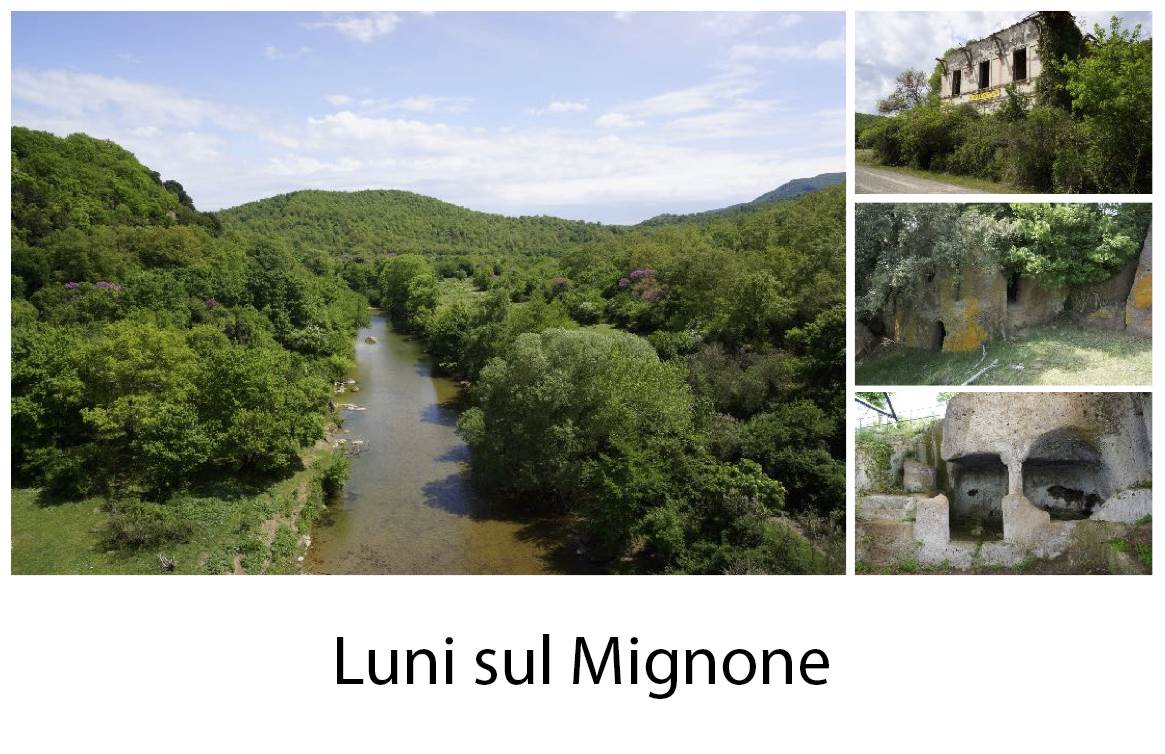 Un affascinante viaggio costeggiando le rive del fiume Mignone, il verde impera su tutta la valle e Luni si erge su di un picco tufaceo atta a dominare tutto questo splendido panorama. Stiamo parlando di un sito di importanza storica notevolissima, in quanto le strutture archeologiche rinvenute durante gli scavi degli anni ’60 (Scuola Svedese) rappresentano un unicum e probabilmente un punto di riferimento della preistoria e dell’età del Bronzo (Miceneo) in tutta l’Italia. Nel VII secolo a.C. il sito venne fortificato dagli etruschi con possenti mura in opera quadrata a causa della minaccia dei romani, che con molta probabilità conquistarono e fecero cadere Luni nel 380 a.C. Il sito fu abbandonato in età medioevale e dimenticato fino ai nostri giorni! Visiteremo “la casa del capo villaggio” avvolta ancora oggi da un fascino misterios
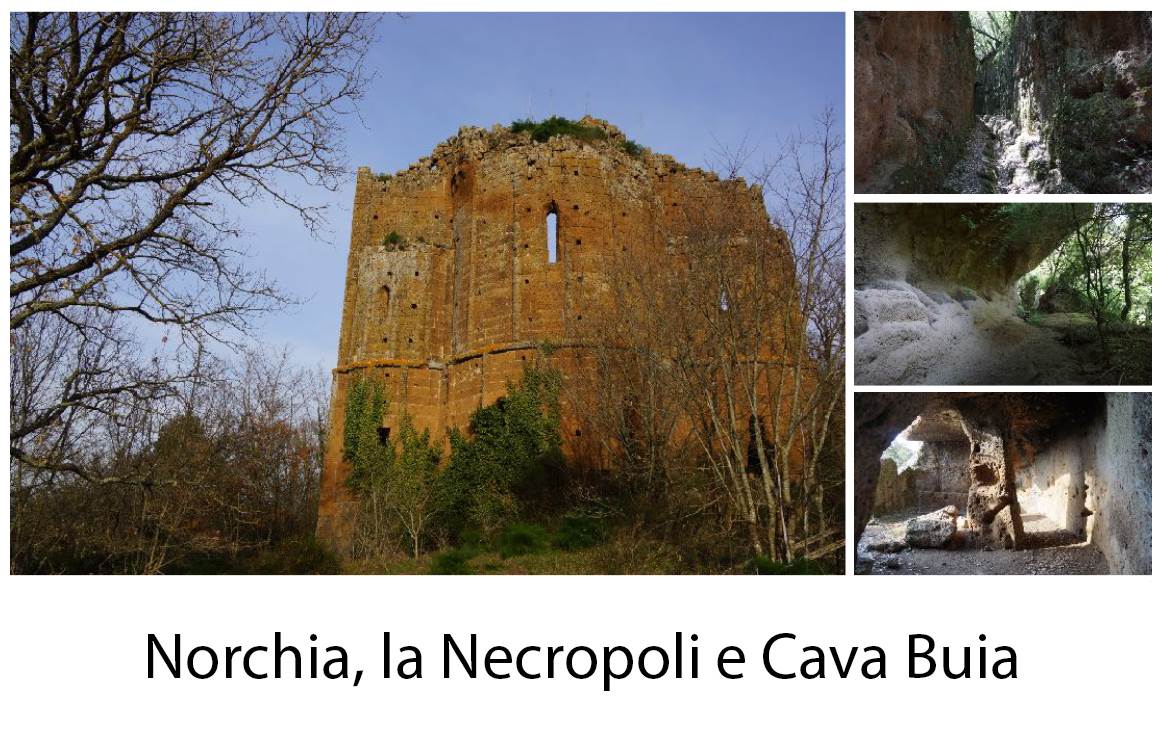 Uno dei più affascinanti percorsi storico naturalistici della Tuscia. L’antica Norchia fonda le radici nella preistoria passando per Età del Bronzo, il periodo etrusco romano ed infine per il medioevo in cui la troviamo sotto il nome di Orclae (VIII d.C.). Successivamente nel 1637 verrà poi denominata Norchia in una carta geografica dell’Oddi.
La scoperta è attribuibile all’archeologo Viterbese Francesco Orioli nel 1808, periodo in cui fu indagato anche il sito di Castel Castel d’Asso. La nostra escursione avrà luogo in questa valle incantata passando dalla stupefacente necropoli etrusca, fino al castello ed abitato medievale di Norchia che sorge alla confluenza dei torrenti Pile e Acqualta per formare il fiume Biedano. Una natura lussureggiante ci circonderà e ci catapulterà in mondi antichi tra miti e leggende.


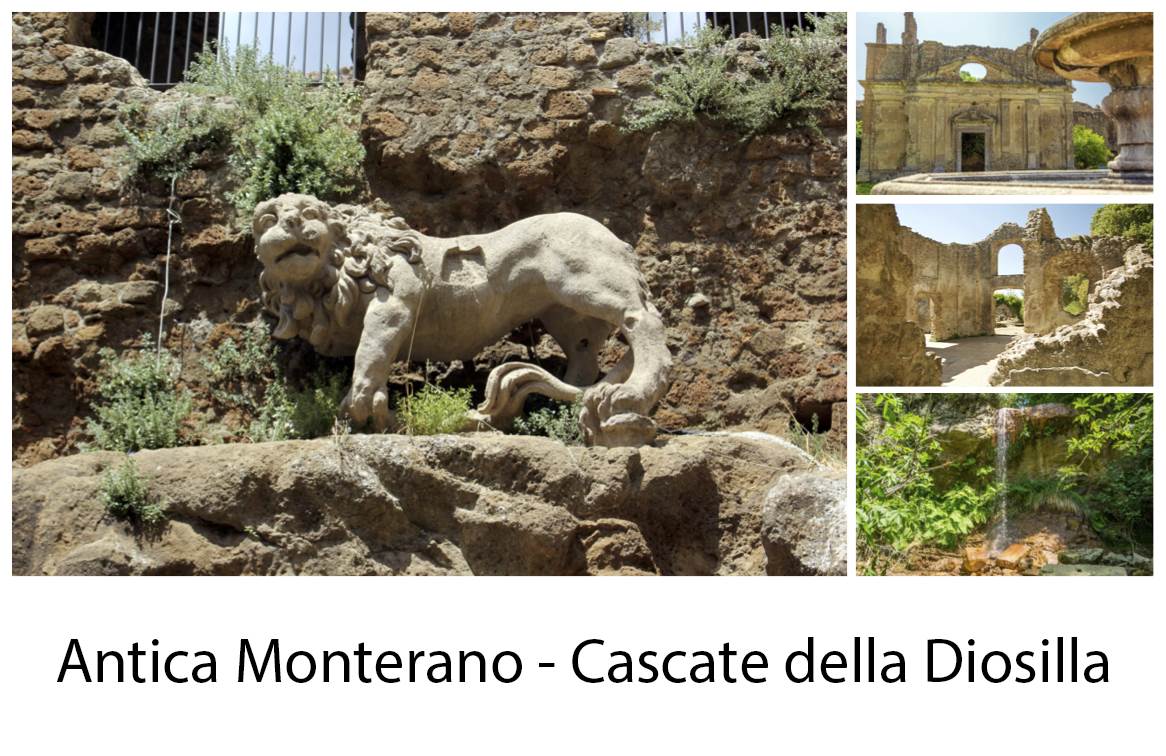 A pochi passi da Roma si trova un luogo dove il tempo sembra essersi fermato, e dove ancora si può percepire l’anima del luogo stesso. Si tratta della meravigliosa Monterano, le sue origini si perdono nell’età etrusca, ma le rovine attuali risalgono alla seconda metà del XVII secolo quando iniziò una crisi economica che pian piano portò all’irreversibile abbandono della cittadina, successivamente ciò che contribuì a renderla città fantasma fu la malaria del 1770 e l’invasione dell’esercito napoleonico che la incendiò.
Il sentiero che entra nell’antico borgo abbandonato costeggia i resti di un acquedotto romano, di una bellezza sorprendente, ma non solo, a rendere così unica questa città e’ la Chiesa e il Convento di San Bonaventura con la sua maestosa fontana, entrambi realizzati dal Bernini.
Monterano fu spesso luogo di set cinematografici, tra i più importanti da ricordare sono “ Il marchese del grillo” protagonista Alberto Sordi, ma anche l’avvincente “Ladyhawke”, il meraviglioso “Non ci resta che piangere” e la memorabile “Armata Bracalone”.
Questo luogo, è intrinseco di magia, dove s’intrecciano leggende attribuite alla famosa cascata della Diosilla che assume un particolarissimo colore arancione grazie anche alla presenza di favolose forre vulcaniche che accompagnano il percorso fino ad arrivare alla particolarissima solfatara.
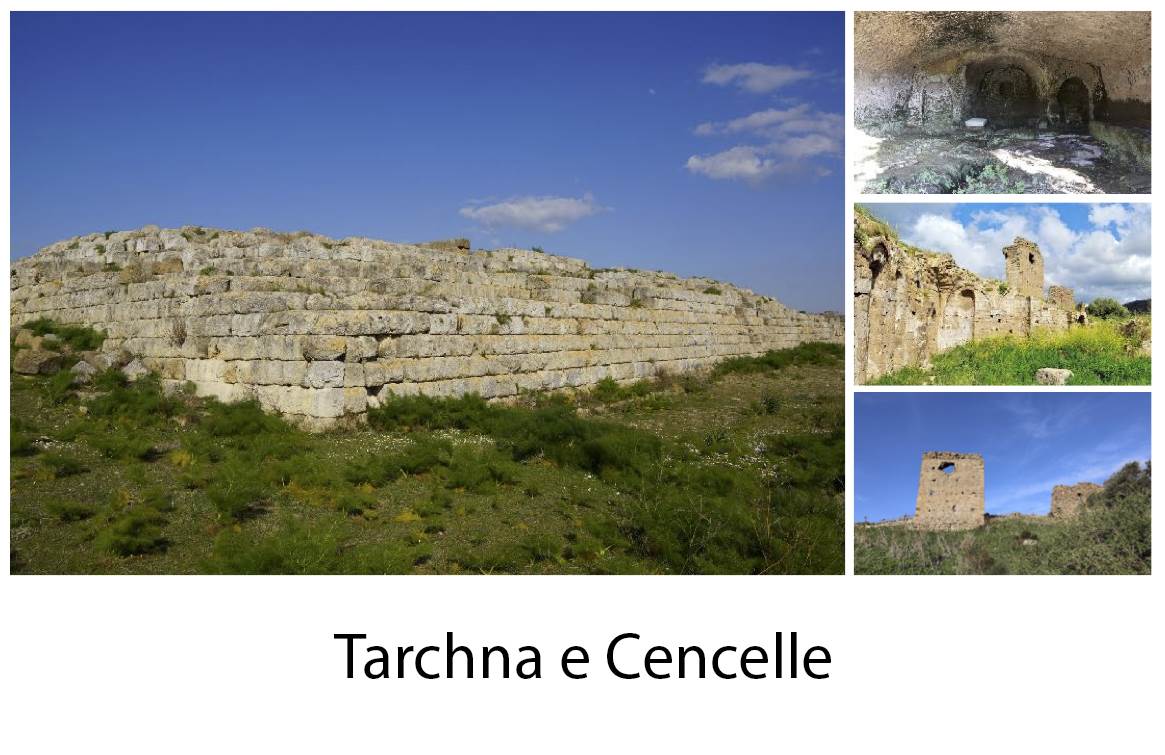 Un percorso alla scoperta di Cencelle e l’Antica Civita di Tarquinia “Tarchna”. Ci seguirai nel nostro viaggio a ritroso nel tempo, dal mondo medioevale fino ad arrivare alla Tarchna di epoca etrusco-romana. Due affascinanti siti dimenticati e per chi non è del mestiere difficili da individuare e da esplorare!
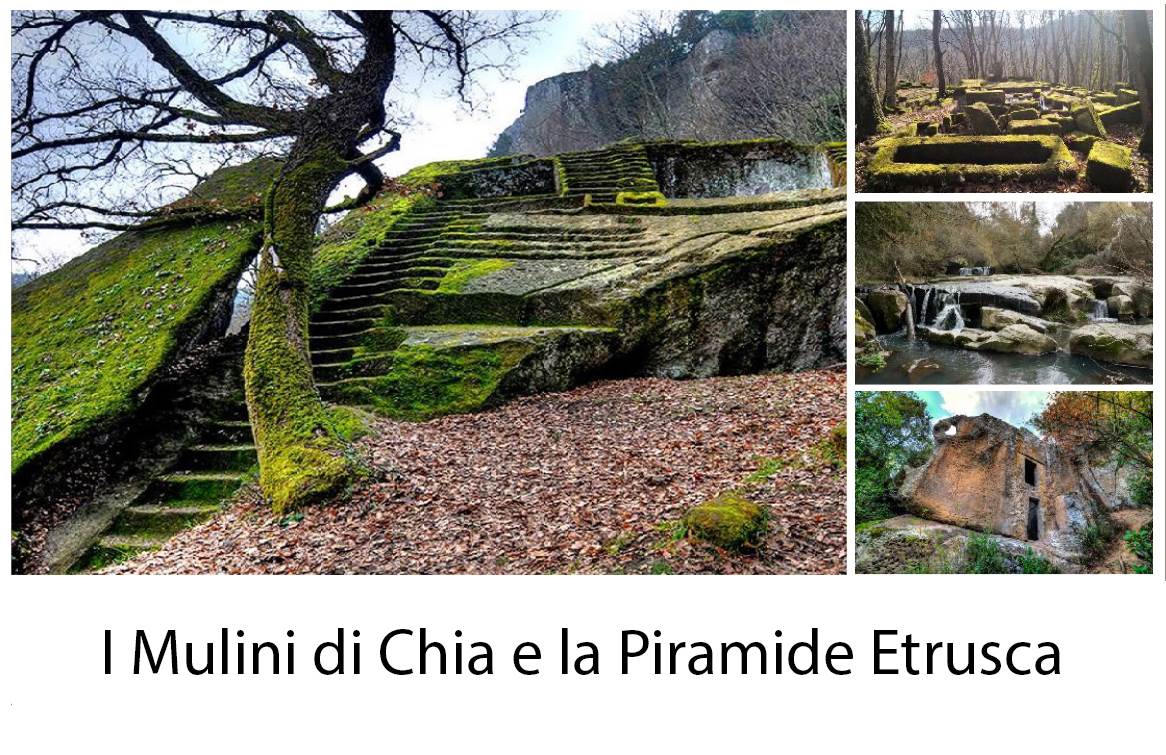 In un luogo sospeso nel tempo tra molteplici cascate e mulini di epoca medioevale, incontreremo la Torre appartenuta a Pasolini, proseguiremo verso le abitazioni preistoriche fino a raggiungere l’affascinante e imponente piramide etrusca, avvolta ancora oggi da un insolito mistero.


